 Like
 Share
- 6 December 2023
- 11 mins read
Acne — it's not just a teenage dilemma but a skin concern that can follow us into adulthood. The quest for clear skin leads many to the world of face packs, an ancient beauty ritual that has stood the test of time.
But not all face packs are created equal, especially when it comes to tackling the stubborn redness and bumps of acne-prone skin.
Whether you're looking to soothe inflammation, get rid of pimples, or simply desire a glowing skin, there are face packs for pimples and acne-prone skin to help you.
In this post, let’s understand more about them and learn the most effective DIY face pack recipes.
Do Face Packs Help With Pimples?
Face packs are beneficial for treating pimples when they contain ingredients that target acne-causing factors.
Antibacterial components like Honey and Tea tree oil help reduce skin bacteria, anti-inflammatory ingredients like Aloe vera and Turmeric reduce redness and swelling, and oil-absorbing substances like Clay remove excess sebum.
Overall, face packs deep cleanse your pores, calm any irritation, and keep your skin's natural acidity (pH level) balanced, which is important for healthy skin.
Top Benefits Of Using Face Pack For Pimples
1. Deep Cleansing
Face packs are formulated to adhere to the skin, drawing out dirt, sebum, and other impurities from deep within the pores as they dry and are washed away. This thorough cleansing action can help prevent the buildup that leads to pimples.
2. Reducing Inflammation
Ingredients with anti-inflammatory properties, such as aloe vera and turmeric, help to calm the skin and reduce the redness and swelling that often accompany pimples. This can make pimples less noticeable and promote a more even skin tone.
3. Controlling Oil Production
Excess oil can lead to pimples by clogging pores and providing a breeding ground for bacteria. Clay-based face packs, like those with bentonite or kaolin clay, absorb excess oil without stripping the skin of its natural moisture, helping to maintain a balanced and clear complexion.
4. Exfoliation
By removing dead skin cells that can clog pores, face packs with exfoliating ingredients like alpha hydroxy acids (AHAs) or finely ground oatmeal prevent the formation of new pimples and can also help existing pimples heal faster.
5. Antibacterial Action
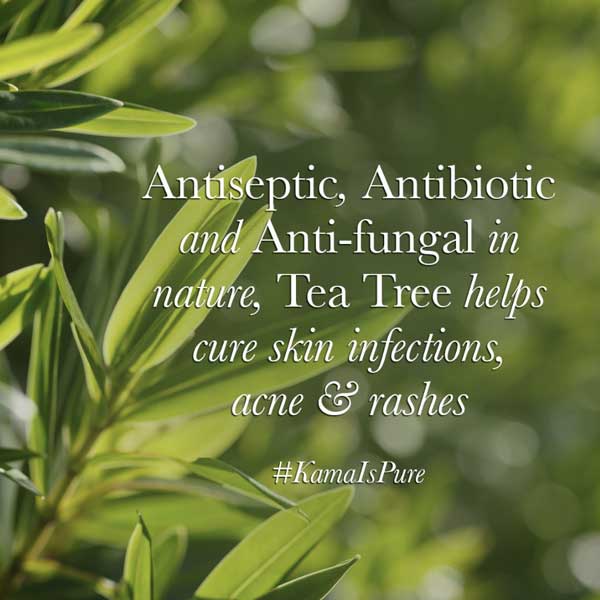
The antibacterial properties of ingredients such as honey and tea tree oil can combat the bacteria on the skin's surface that contribute to pimple formation. This can help in reducing the frequency and severity of breakouts.
6. Healing and Repair
Some face packs contain ingredients like vitamin E, which is known for its skin-healing benefits. These ingredients can help to repair the skin barrier, reduce the appearance of acne scars, and promote the growth of new, healthy skin tissue.
7. Balancing Skin pH
A balanced skin pH is crucial for maintaining skin health and preventing acne. Face packs can help normalize the pH level of the skin, which can be disrupted by harsh cleansers or environmental stressors, hence reducing the chances of pimples breakout.
Best DIY Face Packs For Pimples And Acne Prone Skin
For anyone struggling with pimples and acne, the solution might just be in your pantry. These DIY face packs use simple, natural ingredients to help soothe, treat, and prevent breakouts.
Dive into this list of the best homemade remedies for clearer, healthier skin
1. Honey and Cinnamon Pack
- Ingredients: 2 tablespoons of honey, 1 teaspoon of cinnamon powder.
- Preparation & Application: Mix the honey and cinnamon powder until you get a smooth paste. Apply the mixture to your face, avoiding the eye area. Leave it on for about 10-15 minutes before rinsing off with warm water.
- Why It Works: Honey has natural antibacterial properties that can help prevent acne, while cinnamon has anti-inflammatory properties that reduce redness and swelling.
2. Turmeric and Yogurt Pack
- Ingredients: 1 teaspoon of turmeric powder, 2 tablespoons of plain yogurt.
- Preparation & Application: Combine the turmeric powder with the yogurt to form a paste. Apply to the face and leave for about 20 minutes. Rinse with cool water.
- Why It Works: Turmeric contains curcumin, which has potent anti-inflammatory and antibacterial benefits, reducing acne symptoms. Yogurt contains lactic acid, which exfoliates and soothes the skin.
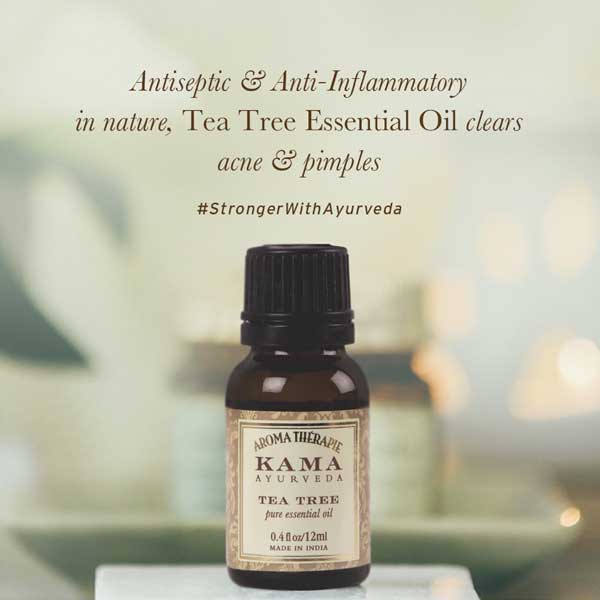
3. Tea Tree Oil and Aloe Vera Pack
- Ingredients: A few drops of tea tree oil, 2 tablespoons of aloe vera gel.
- Preparation & Application: Mix the tea tree oil with the aloe vera gel. Apply the blend to the affected areas or the entire face and leave it on for about 20 minutes before rinsing.
- Why It Works: Tea tree oil is known for its ability to fight bacteria and reduce skin inflammation. Aloe vera is a cooling agent that helps to soothe irritation and redness.
4. Green Tea and Honey Pack
- Ingredients: 1 cooled green tea bag, 2 tablespoons of honey.
- Preparation & Application: Steep the green tea and let it cool. Cut open the tea bag and mix the leaves with honey to create a paste. Apply to your face for 15-20 minutes before rinsing off.
- Why It Works: Green tea is rich in antioxidants that help fight inflammation and bacteria. Honey is a natural antibacterial and humectant, which helps to moisturize the skin while treating acne.
5. Oatmeal and Honey Pack
- Ingredients: 3 tablespoons of ground oatmeal, 1 tablespoon of honey, a splash of water.
- Preparation & Application: Mix the ground oatmeal with honey and enough water to form a paste. Apply to the face for 15-20 minutes before washing off with warm water.
- Why It Works: Oatmeal gently exfoliates the skin, removing dead skin cells and absorbing excess oil, while honey's antibacterial properties help clear out bacteria.
6. Neem and Turmeric Pack
- Ingredients: 2 tablespoons of neem powder, 1 teaspoon of turmeric, water or rose water.
- Preparation & Application: Mix neem powder and turmeric with enough water or rose water to create a smooth paste. Apply to the face and leave it on for about 20 minutes before rinsing off.
- Why It Works: Neem has antibacterial and antifungal properties that help treat and prevent acne. Turmeric's anti-inflammatory properties help reduce the redness and swelling of pimples.
7. Bentonite Clay and Apple Cider Vinegar Pack
- Ingredients: 1 tablespoon of bentonite clay, apple cider vinegar.
- Preparation & Application: Mix the bentonite clay with enough apple cider vinegar to form a smooth paste. Apply to the face and let it dry for 15-20 minutes. Rinse off with warm water.
- Why It Works: Bentonite clay draws out oils and impurities from the skin, and apple cider vinegar helps to balance the skin's pH and has natural astringent properties.
8. Activated Charcoal and Aloe Vera Pack
- Ingredients: 1 capsule of activated charcoal, a generous amount of aloe vera gel.
- Preparation & Application: Open the activated charcoal capsule and mix the powder with aloe vera gel to create a paste. Apply to the face, let it sit for 10-15 minutes, and then rinse off.
- Why It Works: Activated charcoal acts like a magnet to absorb toxins and impurities from the skin, while aloe vera soothes and hydrates.
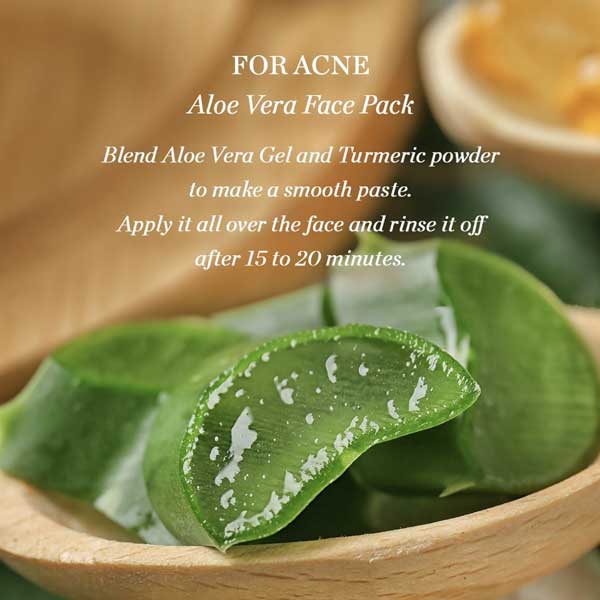
9. Aloe Vera and Turmeric Face Pack
- Ingredients: 1 tablespoon of aloe vera gel, ½ teaspoon of turmeric powder.
- Preparation & Application: Mix the aloe vera gel with turmeric powder until you have a consistent paste. Apply to the face, leave it on for 20 minutes, then rinse with cool water.
Why It Works: Aloe vera is soothing and hydrating, while turmeric face pack has anti-inflammatory and antimicrobial properties that can help reduce acne flare-ups.
10. Honey and Lemon Face Pack
- Ingredients: 2 tablespoons of honey, 1 tablespoon of fresh lemon juice.
- Preparation & Application: Combine the honey and lemon juice. Apply the mixture to your face, leave for 15-20 minutes, then rinse with warm water.
- Why It Works: Honey is antibacterial, and lemon juice has astringent qualities that can reduce excess sebum and lighten acne scars.

11. Multani Mitti and Rose Water Face Pack
- Ingredients: 2 tablespoons of Multani Mitti (Fuller's Earth), rose water as needed.
- Preparation & Application: Mix Multani Mitti with enough rose water to form a smooth paste. Apply to the face and let it dry for about 15-20 minutes. Rinse with cool water.
- Why It Works: Multani Mitti absorbs excess oil and impurities, while rose water helps to tone and soothe the skin.
12. Turmeric and Honey Face Pack
- Ingredients: 1 teaspoon of turmeric powder, 2 tablespoons of honey.
- Preparation & Application: Blend the turmeric powder with honey to create a paste. Apply to the face for 15-20 minutes before washing off.
- Why It Works: The combination of honey's antibacterial properties and turmeric's anti-inflammatory benefits makes this pack powerful for acne treatment.
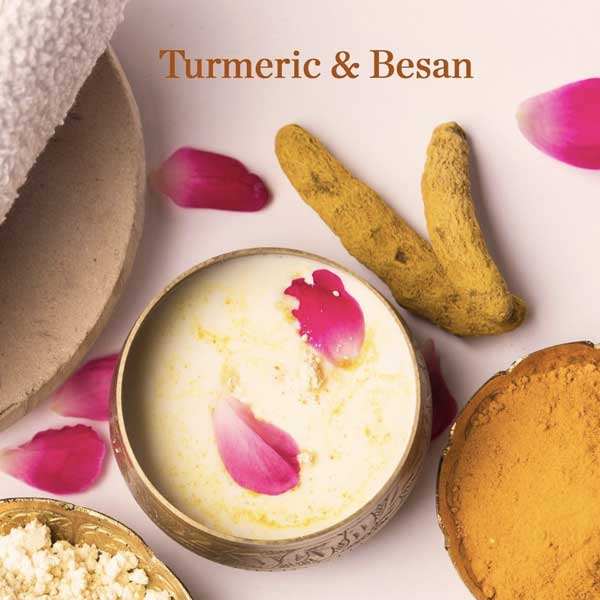
13. Gram Flour, Turmeric and Yogurt Face Pack
- Ingredients: 2 tablespoons of gram flour (besan), 1 teaspoon Turmeric, 1 tablespoon of yogurt.
- Preparation & Application: Mix the gram flour and turmeric with yogurt to form a paste. Apply to the face for 20 minutes, then rinse with lukewarm water.
- Why It Works: Gram flour gently exfoliates the skin, while yogurt moisturizes and helps reduce acne due to its lactic acid content.
14. Witch Hazel and Clay Mask
- Ingredients: 1 tablespoon of clay (bentonite or kaolin), witch hazel extract as needed.
- Preparation & Application: Mix the clay with enough witch hazel to form a smooth paste. Apply to the face and let it dry, then rinse with water.
- Why It Works: Witch hazel acts as a natural astringent to tighten pores and reduce inflammation, while clay detoxifies and cleanses the skin.
15. Fenugreek Face Pack
- Ingredients: 1 tablespoon of fenugreek seeds, water.
- Preparation & Application: Grind fenugreek seeds and mix with water to form a paste. Apply overnight or for 20 minutes before rinsing.
- Why It Works: Fenugreek has anti-inflammatory properties and can help heal acne and reduce the likelihood of scars.
16. Turmeric and Neem Face Pack
- Ingredients: 1 tablespoon of neem powder, ½ teaspoon of turmeric, water or rose water.
- Preparation & Application: Mix neem powder and turmeric with water or rose water to make a paste. Apply to the face for 20 minutes, then rinse off.
- Why It Works: Neem is antibacterial and antifungal, and turmeric is anti-inflammatory, making this pack a potent remedy for acne.
17. Garlic and Honey Face Pack
- Ingredients: 1 clove of garlic, 1 tablespoon of honey.
- Preparation & Application: Crush the garlic clove and mix with honey. Apply to the affected areas or the entire face, leave for 10 minutes, then rinse off.
- Why It Works: Garlic has strong antibacterial properties that can help fight acne-causing bacteria, while honey soothes the skin.
18. Tea Tree Oil Clay Mask
- Ingredients: 1 tablespoon of bentonite or kaolin clay, 3-4 drops of tea tree oil, water or rose water.
- Preparation & Application: Mix the clay with enough water or rose water to create a paste. Stir in the tea tree oil. Apply to the face and let it sit until it dries (about 10-15 minutes), then rinse with warm water.
- Why It Works: The clay absorbs excess oil and impurities, while tea tree oil's antibacterial properties help to clear out acne-causing bacteria, making this mask a powerful detoxifier for acne-prone skin.
Our Picks for Best Face Packs for Pimples
Finding the perfect face pack for acne-prone skin can be a relief for those battling pimples. We've handpicked the standout options that blend natural ingredients with effective acne-fighting properties -
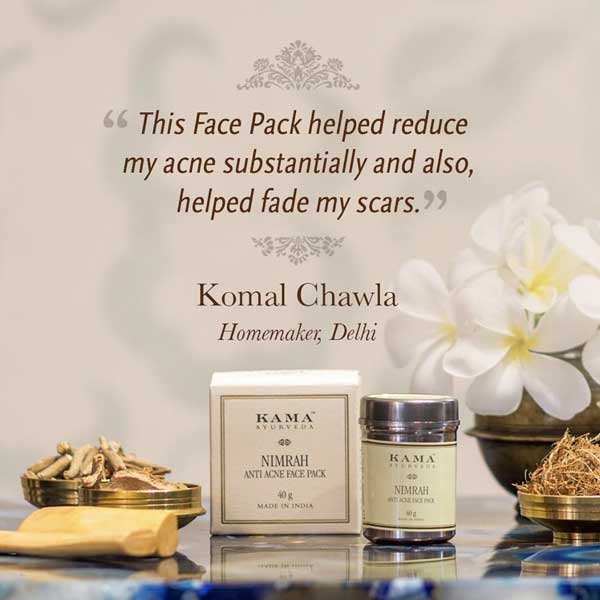
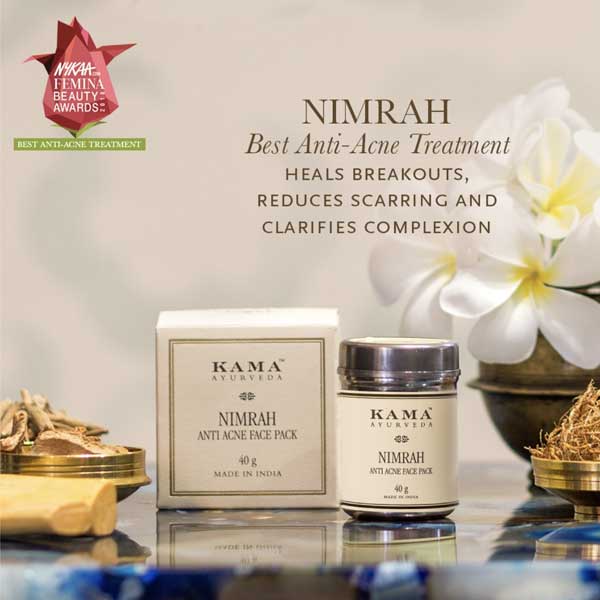
1. Nimrah Anti Acne Face Pack by Kama Ayurveda
Targeting acne, blackheads, and scars, the Nimrah Anti Acne Face Pack is a powerhouse of Ayurvedic ingredients like Vetiver and Ashwagandha. It works to soothe inflammation and promote a youthful skin appearance.
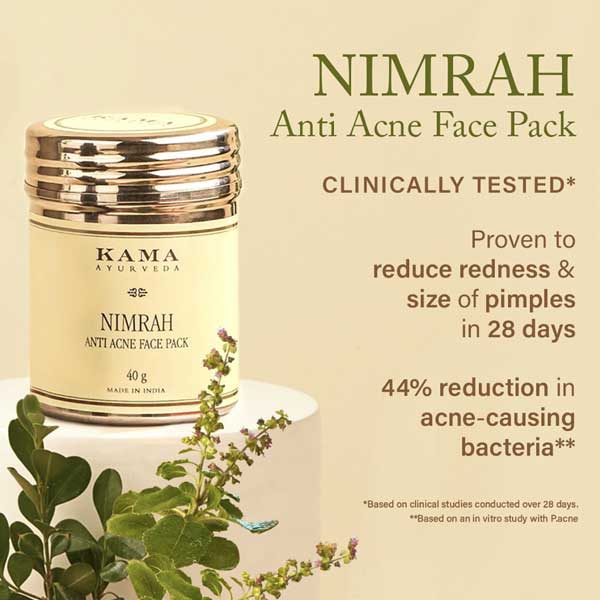
Red Sandalwood in the pack is key for lightening scars and improving overall skin tone, while Coriander seeds bring in their antibacterial prowess to keep blackheads and pigmentation at bay.
2. Suvarna Haldi Chandan Face Pack by Kama Ayurveda
Crafted with the goodness of Turmeric and Sandalwood, this face pack is a boon for those aiming to achieve a flawless complexion. It's designed to not only reduce acne and blemishes but also to enhance the skin's natural glow.
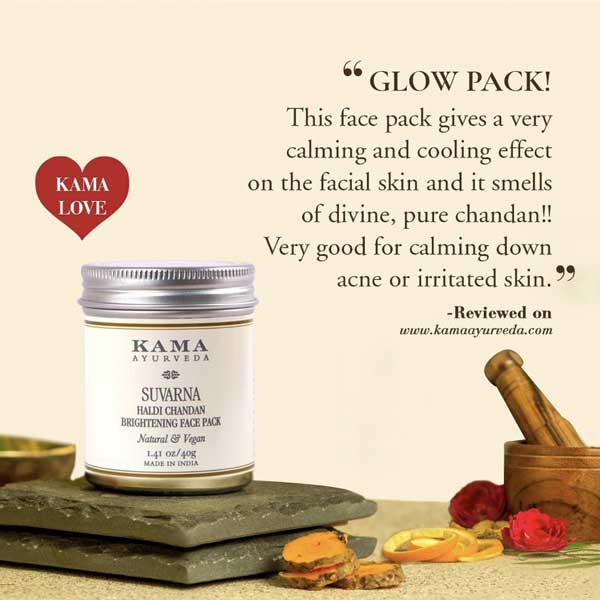
The addition of rose acts as an astringent to tighten pores, while Orange peel provides antioxidant benefits, keeping the skin toned and supple.
FAQ: Face Packs for Pimples and Acne-Prone Skin
Q: How often should I use a face pack for acne?
A: It's generally recommended to use a face pack 1-2 times a week. Overuse can strip the skin of natural oils and cause irritation.
Q: Can face packs cure my acne?
A: While face packs can help manage acne by cleansing pores and reducing inflammation, they are not a cure. Consistent use, as part of a comprehensive skincare routine, can significantly improve acne symptoms.
Q: Are DIY face packs safe for sensitive skin?
A: Most DIY face packs with natural ingredients are safe for sensitive skin. However, always do a patch test first to ensure you don't react negatively to any ingredients.
Q: Can I use a face pack if I have severe acne?
A: If you have severe acne, it's best to consult with a dermatologist before trying new treatments, including DIY face packs, to avoid worsening your condition.
Q: What should I do if I have an allergic reaction to a face pack?
A: If you experience an allergic reaction, immediately rinse off the face pack with cool water and discontinue use. If severe, seek medical attention.
Q: How long should I leave a face pack on my skin?
A: Most face packs should be left on until they are dry, which typically takes about 10-20 minutes. Follow the specific instructions for the face pack you are using.
Q: Can I make face packs in advance and store them?
A: It's best to make fresh face packs for each use. Some ingredients may not store well and could lose their effectiveness or spoil.
Q: Will a face pack help with acne scars?
A: Some face packs may help lighten acne scars over time, especially those with ingredients like lemon, honey, or turmeric, which have natural skin-lightening properties.
Q: Is it necessary to moisturize after using a face pack?
A: Yes, it's important to moisturize after using a face pack to rehydrate the skin and maintain its natural barrier.
Q: Can I apply a face pack on active breakouts?
A: Yes, but be gentle. Choose face packs with soothing and antibacterial ingredients to help reduce inflammation without irritating the breakouts.

Shreya Dalela is a certified Yoga instructor and a professional dancer trained at The Danceworx. She’s passionate about Ayurveda and holistic living with over 6 years of experience in doing extensive research and content creation in the domain.