





/return-icon-1-.png)


Born in India,
Ayurveda takes its name from {ayur}
meaning life or nature,
and {veda} meaning wisdom,
or knowledge.
/MicrosoftTeams-image-19-.png)
This ancient integrative and preventitive medicine was created from the study of nature with the goal of achieving health and well-being, through balance between mind, body and soul. The origins of Ayurveda can be traced back to the sacred texts known as the Vedas, where ancient sages and physicians codified the knowledge and long-established practices of Ayurveda into written form. These texts, written between 2000 and 2500 BC, contain the fundamental principles of Ayurvedic medicine that are still followed by practitioners today.
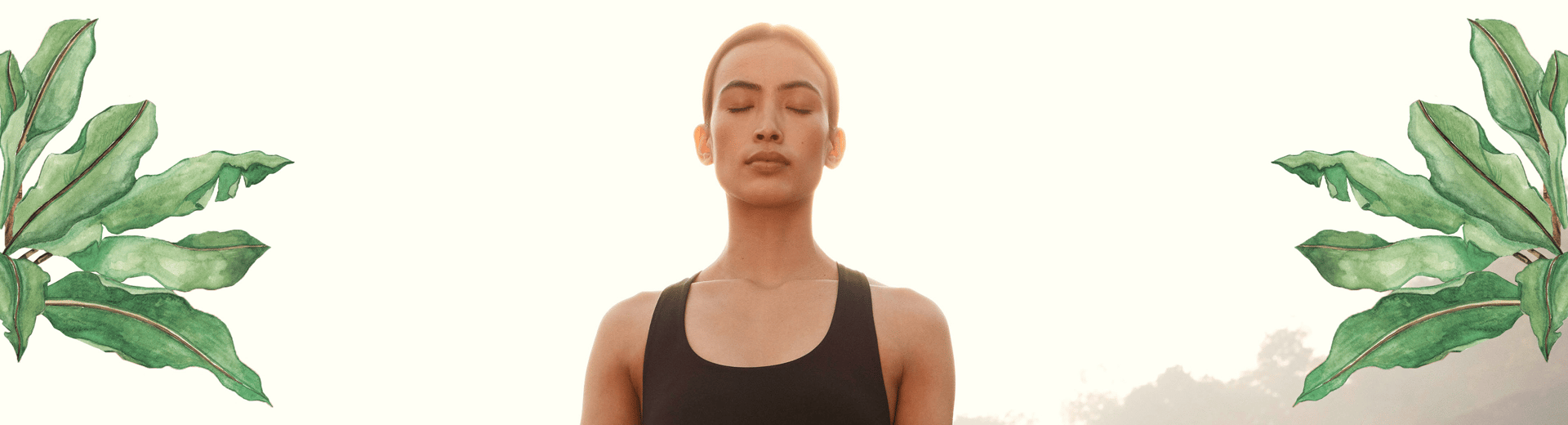
Ayurveda is more than just a healing system, it is a daily practice for healthy living through wellness and day-to-day rituals that include the use of natural forces such as heat, cold, light, herbs, foods, minerals, exercise, and meditation. The ultimate goal is to achieve balance between mind, body, and soul. According to the basic philosophy of Ayurveda, the cosmos in which we live is made up of five fundamental elements: water, earth, fire, air, and ether.
These elements are present in both human beings and the world around us and everything is interconnected. In humans, these elements combine into three pairs of vital energies called the “doshas.”
Each person is born with a unique balance of these three doshas, and it is important to keep this balance throughout life. That is why Ayurveda works on three levels of the being, the body, mind, and soul. It is therefore an integrative and holistic medicine that works on these three elements to regain the balance of birth. As it considers the interactions between the individual and their environment which change over time and place, Ayurveda is a dynamic medicine that evolves to establish the diagnosis and propose the appropriate solutions. When balance is achieved, this results in optimal well-being, health, and a natural radiant glow, as well as prevention of future problems.