



/return-icon-1-.png)

/Kama-Articles-Banner-Ayurvedic-Beauty-Desktop-2-.png)
We learn about beauty from those closest to us, and our enviroments too. Growing up between cultures - the Indian heritage from my family and my immediate surroundings in Wales - felt like two opposing worlds at times. I was never quite sure where I fit in; my curly dark hair was never straight enough for the trends of the Nineties. My skin was certainly too dark to be beautiful according to the colourism still so prevalent in Indian culture and I looked nothing like the pale Bollywood stars lauded as beautiful in Indian films. As a result, I never felt like I was pretty, and as much as I tried, I just couldn’t find the balance between east, and west.

But there were moments where I did feel a sense of connection to my heritage. Sitting on the floor of our little terraced house in Wales, my mother - or amma in Tamil - would apply fragrant jasmine oil to my hair, massaging it into my scalp, and lengths. When we’d visit Chennai over school holidays, her mother, my paati would do the same for both her and I, an instant gift that said “let me look after you, just for a moment.” In those bonding rituals, the months that we hadn’t seen each other disappeared into the ether and even now, the scent of that thick perfumed oil is an instant reminder of them, and to take a moment to look after yourself and somebody else. That is the true magic of Indian beauty; connection and self care.
On those yearly trips to India, I found wearing heavy strings of flowers in my hair - as is customary in many Indian households - deeply annoying. Despite my childlike protestations, my mother would loop them through my plait, and the gentle jasmine fragrance wafted around me every time my head moved. Looking back I can see how lovely this ritual truly was, both to scent the hair but also in its intent. In Hindu homes we often adorn the pictures of Gods in our prayer rooms with those same flower garlands as an offering of respect, and I now see that using them in our own hair is a way to remember that there is a sacred and divine part in all of us.
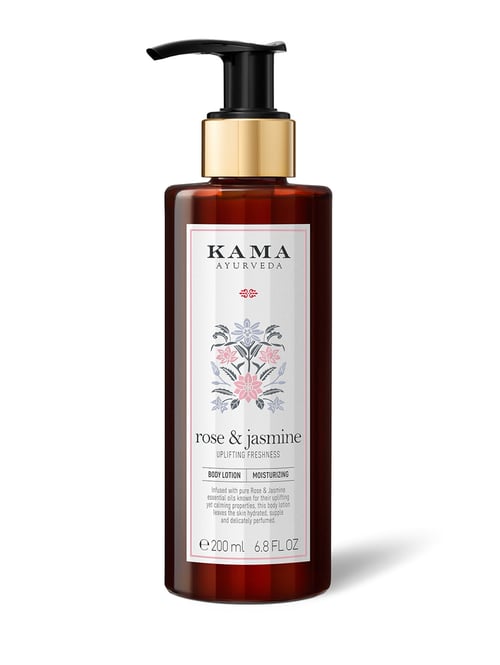
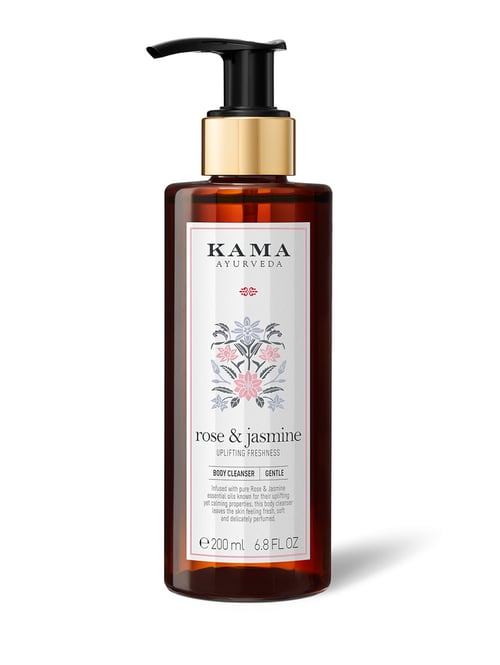
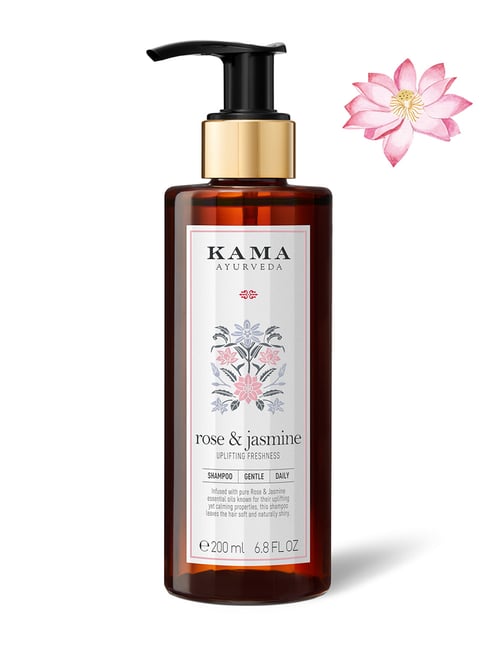
Rose & Jasmine
Rose and jasmine are the scents of Indian heritage— their fragrances evoke nostalgia, from temple offerings to summer nights, carrying tradition through generations.
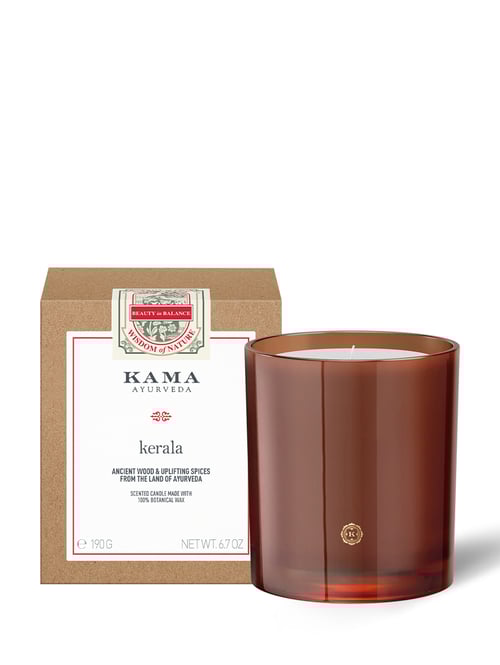
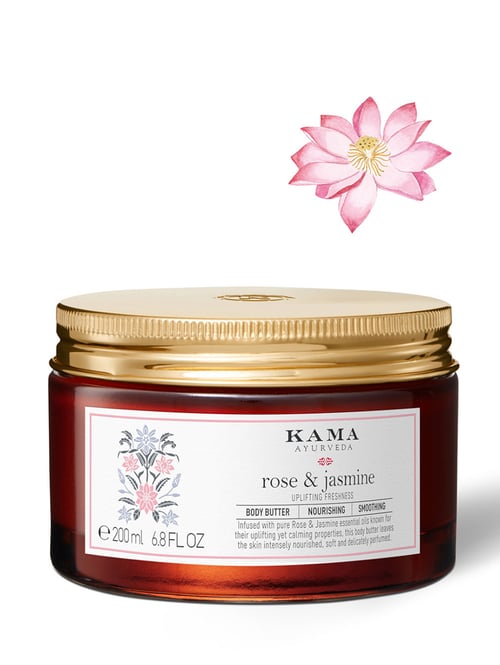
current price £39
Out of stock
current price £27
Out of stock
Though the women in my family have never worn a huge amount of make-up, a smidgen of eyeliner before you left the house was always customary, and like my mother, it’s now become my go-to. It feels like a secret weapon that connects me to my Indian heritage, almost as if applying it in dark circles around my eyes draws an invisible connection to my ancestral line. As an adult I truly appreciate the dual purpose behind so many of these Indian beauty rituals, they’re both an adornment, and have a deep cultural significance too.
Truthfully, Indian culture is also full of unusual, and seemingly superstitious rituals too - my mother won’t let anyone in our family cut our hair or nails on a Friday, because it’s an auspicious day, for example. Though I might choose not to adhere to some of them - Fridays is often the day I get my hair cut, due to it being a ‘quieter’ work day - the rituals that I still follow often have a link to wellness in some way. As a child I never understood why we practised tongue scraping, known as Jiwah Prakshalan in Ayurveda, but I now know it’s a way to remove bacteria, and improve dental hygiene. It’s fascinating that these age-old practices, handed down between families, are now becoming used more widely in western wellness rituals too.
There is one lesson my mother passed down to me that surpasses them all. She has never cared about the beauty standards society conditions women to obsess over; namely looking younger and being decorative to the male gaze. I’m thankful that she’s never coveted potions promising to take the years off or even considered having any form of cosmetic enhancement. Save a little make up, some skincare and perfume, that’s where her commitment to purely external beautification ends. Whereas fitting into beauty standards has taken up so much of my brainspace, as they do for so many of us, they haven’t for her. Instead, that space has always been occupied by the things that give her joy; her work, her family, friends and unending quirky hobbies like Ikebana (a form of abstract flower arranging from Japan) and Chinese botanical painting.
The lesson I’m so glad that I’m finally learning - after a lifetime of struggling to like my appearance - is something my mother has always known; namely that her true value lies in her birthright, not in how she looks. At 70 she’s barely greyed, which may be testament to her carefree attitude and focus on enjoying life - she doesn’t worry about things she can’t control, like ageing. Despite being entered for beauty pageants in her teens, she’s always known that our appearance is the least interesting thing about us; we’re a reflection of our actions and purpose in life. Ultimately, that is the most important and valuable beauty lesson I could ever learn from her.
"Anita Bhagwandas, Journalist and Author of UGLY

%20(1)/preview-6-1-.png)
/preview-3-.png)