




/return-icon-1-.png)

/Kama-Articles-Banner-Ayurvedic-Beauty-Desktop-1-.png)
What is Sharad?
The Sanskrit word "Sharad" means “autumn”. Sharad encapsulates autumn's essence with cooler temperatures, clear skies, and the shedding of leaves. This season brings tranquillity and abundance, painting the landscape with shorter days, cooler weather, and warm-hued leaves. As autumn arrives, Vata and Pitta doshas become imbalanced, influenced by its cool, dry, and shifting characteristics. Vata's influence can provoke dry skin, digestive issues, and restless thoughts, while lingering summer warmth can fuel Pitta, leading to skin irritations and acidity. Meanwhile, Kapha finds harmony, basking in the arid warmth, shedding its damp heaviness for renewed energy. This seasonal transformation during autumn brings rejuvenated vitality, replacing summer's heat with milder temperatures. Crisp apples, succulent grapes, and hearty pumpkins find their way onto tables, inspiring a culinary shift towards heartier and warming dishes.

Lifestyle recommendations to balance your dosha in Sharad season
It is important to note that individual responses to the season can vary based on your constitution, and your Prakriti. If you are not sure which Prakriti you are, take our quiz to find out. Ayurveda suggests adjusting diet, lifestyle, and self-care practices to align with the changing seasons and maintain overall well-being. autumn beckons you to slow down, reflect, and savour the fleeting moments of beauty before the winter's chill sets in.
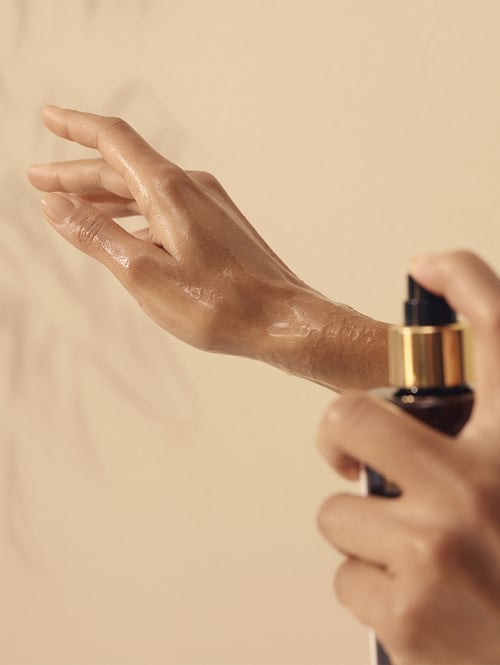
The nights in Sharad become cooler, prompting a transition from light summer clothing to layered ensembles. The gentle chill in the air calls one to wrap oneself in cosy sweaters and scarves. To address Vata and Pitta imbalances, sleep optimisation is key and follow consistent sleeping and waking times. A soothing bedtime routine of reading, gentle stretches, and mindful breathing, avoiding stimulating activities are helpful. Use essential oil diffusion with lavender oil for calmness and reduce screen time an hour before bedtime. Include spices like Cardamom and Turmeric for Vata and Pitta balance in your diet, reduce the use of garlic and black pepper. Hydrate yourself with soothing herbal teas and water. Avoid frozen yogurt, ice cream, and use fresh honey as a sweetener. Your shopping must include apricots, avocados, and raisins while eating less sour fruits. Use coconut and sunflower seeds in your diet and try to avoid peanuts. Perform daily massage with blends of sesame and coconut oil for balance or use an Ayurvedic oil for daily massage.
Meditation during autumn is important, and any meditative practice should focus on grounding, calming, and nurturing to harmonise with Vata's prominence. As the season shifts, grounding exercises are recommended. Yoga's Mountain Pose, Tai Chi's flowing motions, and serene nature walks balance Vata's effects. For Vata’s dry skin, hydration is pivotal. Boost water intake internally and choose sesame oil-based moisturisers. Choose mild cleansers to retain natural oils. Soothing oatmeal masks can quench dryness. For sensitive Pitta skin, use hypoallergenic products, and skin care products with soothing natural ingredients. Avoid harsh exfoliants and over-cleansing. Oily Kapha skin thrives on effective cleansing, light moisturisation, gentle exfoliation, and clay masks.
Improve your well-being by paying attention to sleep, nutrition, mind, and movement appropriate for autumn. While choosing the right skin care rituals to suit your Ayurvedic dosha type for glow and vitality. Embrace Ayurveda’s wisdom savouring the autumn season by grounding rituals and nurturing practices to create balance and tranquillity.
/kansawandimage-wecompress.com-.jpg)

/preview-1-.png)
/KAMA-INDIA-SHOOTING-9T1A3242-2240x1468-1-.jpg)