



/return-icon-1-.png)
Breathing techniques for anxiety
Pranayama is an ancient Ayurvedic practice of controlled breathing. Deep, regulated breathing activates the parasympathetic nervous system, which can take us out of an anxiety-related ‘fight or flight’ response. Modern wellness culture is catching up with this age-old tradition and science can now demonstrate the power of the breath to regulate the body’s involuntary functions, including the endocrine, circulatory and autonomic nervous systems. Learning to control your breath is a powerful tool to swiftly and simply change your internal state.
Here are 3 simple pranayama deep-breathing exercises for anxiety, which can help to reduce stress, regulate your nervous system and promote relaxation:
1. Ocean breathing
Ocean breathing involves constricting the muscles in the throat to produce a sound like ocean waves, while lengthening the out-breath. This activates the parasympathetic nervous system and stimulates the vagus nerve, reducing stress and anxiety, ideally for a fresh morning start.
- Sit in a relaxed posture. Breathe deeply into your belly.
- Breathe in through the nose for a count of 4, while constricting the back of your throat.
- Breathe out through the nose, for a count of 8, maintaining the constriction in your throat.
- Continue for at least 10 breaths and up to 5 minutes.
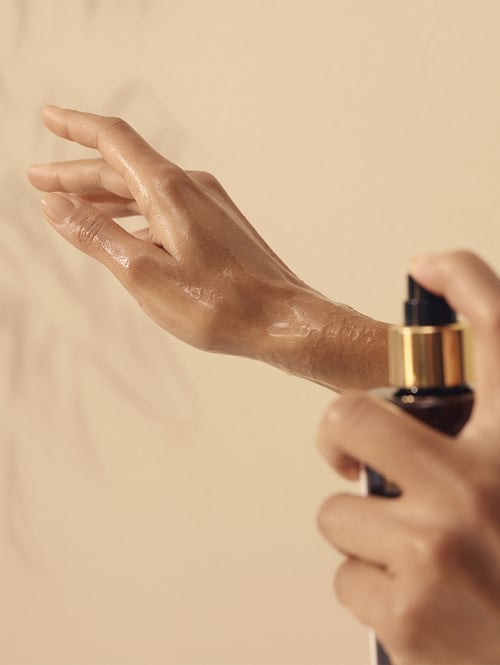
- The Kama Ayurveda tip: perform this breathing technique after your daily yoga session using Sugandhadi Body Oil for a peaceful release.
2. Box breathing
Box breathing is a form of regular breathing that activates the parasympathetic nervous system, slows the heart rate, calms anxiety and improves focus, which is ideal to do during the day.
- Sit in a relaxed posture. Breathe deeply into your belly.
- Inhale through the nose for a count of 4.
- Hold for a count of 4.
- Exhale through the nose for a count of 4.
- Hold for a count of 4.
- Find a pace that feels comfortable and continue for at least 10 breaths, up to 5 minutes.
- The Kama Ayurveda tip: perform this breathing technique after spraying Rose Floral Water on your face. Rose is known for its hydrating and calming effects on the skin as well as uplifting benefits for the mind.
3. Alternate nostril breathing
- Alternate nostril breathing balances the nervous system and requires the use of both brain hemispheres, steadying your mind and promoting relaxation, ideal to fall asleep at night.
- Sit in a relaxed posture. Start with a deep belly breath and a big ‘whoosh’ exhale.
- Close your left nostril with the ring finger of your right hand and inhale through your right nostril.
- Unblock your left nostril and close your right nostril with your thumb. Exhale through your left nostril.
- Repeat this in reverse, inhaling through your left nostril and exhaling through your right.
- Repeat this cycle at least 10 times and up to 5 minutes.
- The Kama Ayurveda tip: perform this breathing technique during your hair oiling ritual with Bringadi Scalp & Hair Oil.


/preview-1-.png)
/preview-3-.png)